
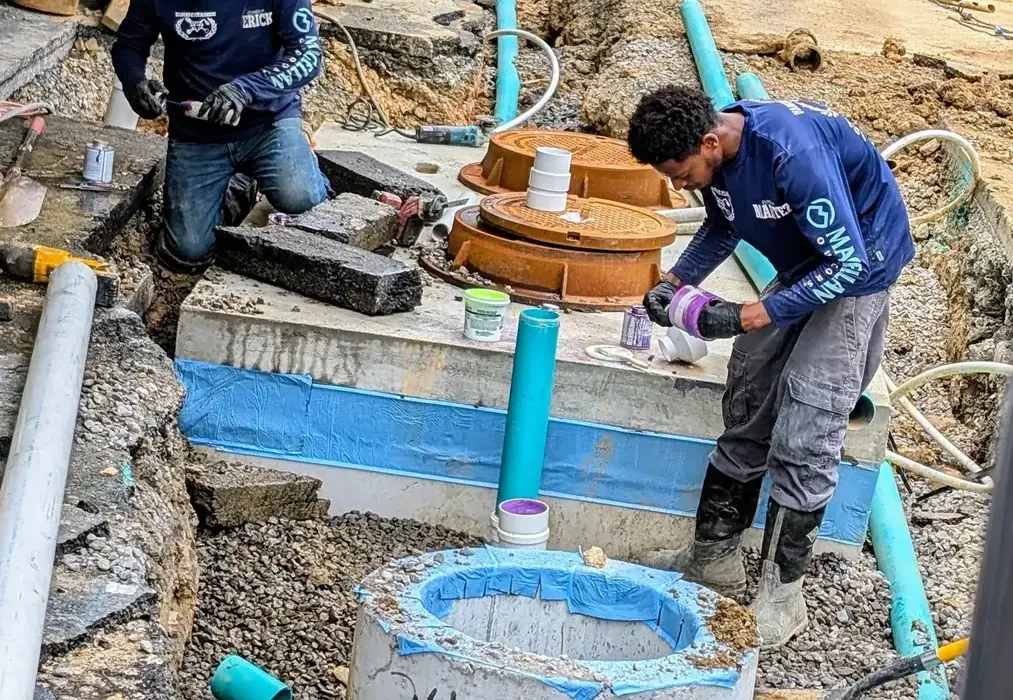
Grease Trap Installation in Little Rock, AR
Need a grease trap installed in Little Rock? Diamond State Plumbing handles sizing, permits, and LRWRA approval with licensed plumbers. Call 501-585-5454, Monday to Friday, 8AM-5PM.
We book installs quickly and work around your restaurant hours. As licensed Little Rock plumbers, we handle sizing, permits, and approval from the Little Rock Water Reclamation Authority (LRWRA). Then we install your grease trap to pass city and LRWRA inspection.
How does grease trap installation in Little Rock work?
- We walk your kitchen and check any existing unit.
- We choose a trap or interceptor based on your kitchen's flow rate.
- We get LRWRA approval and pull plumbing permits.
- We set the unit, plus the flow control device and vent a trap needs.
- We tie in your kitchen drains and test every joint for leaks.
- We schedule city and LRWRA inspection.
Kitchens in Little Rock Must Have a Grease Trap
- Restaurants, cafeterias, delis, and coffee shops
- Lounges
- Bakeries and meat markets
- Grocery stores
- Food courts and concession stands
- Hotels
- Hospitals and nursing homes
- Schools and churches
- Food manufacturers and packagers
- A grease trap that isn't cleaned or maintained
- Missing cleaning logs or records
- A trap that lets grease reach the city sewer
- Changes to your operations you didn't report
- Blocking an inspector's access
We install grease traps that meet LRWRA requirements and city code. Your new trap is built to pass inspection and keep passing.
When an Existing Restaurant Must Upgrade Its Grease Trap
LRWRA can require a new grease trap when:
- There's no trap at all
- The trap is broken or can't be repaired
- You remodel the kitchen's plumbing
- Grease from your kitchen is reaching the city sewer
- Your drains aren't connected to the trap the right way
"Broken" covers more than a crack. A missing or faulty part, poor grease removal, or slow flow can all count. The River Market grew out of the city's historic warehouse district. We check the existing unit before your remodel starts, so you know if it can stay.
Grease Trap or Grease Interceptor: Which One Your Kitchen Needs
| Grease trap | Grease interceptor | |
|---|---|---|
| Flow rate | Under 75 gallons per minute | Over 75 gallons per minute |
| Size | Under 250 gallons | 250 gallons or more |
| Build | Smaller unit | Larger tank, usually set underground |
The Arkansas Plumbing Code sizes a gravity interceptor by your peak drain flow. You multiply gallons per minute by 30 minutes. A kitchen draining 50 gallons per minute needs a 1,500-gallon interceptor. We size yours from your kitchen's fixtures and flow, not a guess.
Grease Trap Installation by Licensed Plumbers
Unlicensed plumbing work can bring state fines, and each day it continues counts as a new violation. Here's what you get when we handle your install:
- A master plumber, owner Angel Bahena, in charge of the job
- Licensed, background-checked plumbers only, no subcontractors
- Plumbing permits and LRWRA approval handled for you
Grease Trap Installation Location is Subject to Certain Restrictions in the Kitchen
- Close to the sinks and dish area where grease comes from
- Open enough to lift the lid and clean the trap
- Easy for an LRWRA inspector to reach
Before we start, we walk the kitchen with you. You'll know where the trap goes and why.
Grease Trap Installation Steps in Little Rock
- Walk your kitchen. We check any existing unit and see where the trap can go.
- Pick and size the unit. We confirm trap or interceptor and size it to your flow rate and fixtures.
- Get approval. We pull plumbing permits and get LRWRA approval. No work starts before approval comes through.
- Install. We set the trap in place and hook it up to your kitchen drains.
- Test. We check the flow and seal every joint before we call the job done.
- Inspect. We coordinate city and LRWRA inspection.
What Can and Can't Drain Into Your Grease Trap
| Item | Rule |
|---|---|
| Water hotter than 140°F | Keep out |
| Toilets, urinals, and other human waste | Keep out |
| Enzymes, bacteria, or grease cutters | Keep out unless LRWRA approves them first |
| Solvents or additives that break grease down into the water | Keep out |
| Flow control device | Required, so water never runs faster than the trap's rating |
| Vent | Required, at least 6 inches above the sink's flood rim, or per the manufacturer |
A Grease Trap Needs Regular Pumping to Keep it Running
| Grease trap | Grease interceptor | |
|---|---|---|
| How often | Open, check, and clean at least once a week | New restaurants start at every 3 months |
| When sooner | When grease and solids fill the trap | When solids reach the outlet pipe, usually about 8 inches deep |
| Who cleans it | Your staff with a written plan, or a registered hauler | An LRWRA-registered hauler only |
LRWRA keeps a list of registered haulers on its FOG page. Ask any hauler for references before you hire them.
Common Questions
No. Arkansas law requires a licensed master plumber, or a plumber with a restricted state license, in charge of the install. The owner exemption only covers work on your own home.
Yes. Every food service business must have a grease trap or interceptor under LRWRA rules.
Only LRWRA-registered haulers can pump grease interceptors. Your own staff can clean a smaller grease trap if you keep a written cleaning plan.
Yes. LRWRA requires the vent to sit at least 6 inches above the sink's flood rim, or per the manufacturer.
LRWRA can issue a violation notice, require one installed, and charge fines.
Most installs take a few days once LRWRA approval and permits come through.

Why Local Matters
For Your Plumbing




Why Local Matters
For Your Plumbing
You could call a big national chain. They'll probably charge you more and send someone who doesn't know Little Rock. Local plumbers understand that homes in Pulaski Heights have different plumbing than new builds in West Little Rock. They know which neighborhoods have older plumbing prone to mineral buildup and which areas tend to have foundation shifts that affect plumbing.
When you call a local company, you get someone who answers the phone and can usually tell you right away what's probably happening and when they can get there. No automated system. No waiting on hold for 20 minutes.
Response times are better too. A local plumber is 15 minutes away, not coming from another city. If you've got a burst pipe or sewage backing up, those minutes matter. Plus, local companies know the city inspectors, understand Little Rock's specific codes, and can get permits processed faster. When you need plumbing work done right and done quickly, local is the way to go.
 Licensed, Bonded & Insured
Get In Touch
Have any questions? Contact us today for expert services in Little Rock and neighboring communities. Let us handle your plumbing needs!