What Is the Most Common Plumbing Repair? (And 6 Others Little Rock Homes See Most)
If this sounds familiar, you're in good company. So what is the most common plumbing repair? It's clearing clogs. In a national homeowner survey, clogged toilets came out on top, followed by backed-up drains and clogged sinks.
Most clogs start small, with a drain that empties slowly. When more than one drain backs up at the same time, that's a sign of a blockage in your sewer line.
This guide helps you figure out what you're dealing with and when it's time to call a plumber. We cover the 7 most common plumbing repairs and why Little Rock homes run into them. You'll also learn the warning signs, the difference between minor and major issues, and how long your pipes should last.
What Is the Most Common Plumbing Repair?
Other common plumbing repairs include:
- Leaky faucets
- Running toilets
- Water heater problems
- Low water pressure
- Leaking pipes
- Sewer line backups
Drain still slow after plunging? Get clogged drain cleaning in Little Rock.
The 7 Most Common Plumbing Repairs
| Repair | Common cause | Can you try it yourself? |
|---|---|---|
| Clogged drains and toilets | Hair, grease, wipes | Yes, with a plunger. Call if it keeps coming back. |
| Leaky faucets | Worn washers and gaskets | Sometimes. Call if the drip won't stop. |
| Running toilets | Worn flapper | Often. Replacing a flapper is a quick, easy fix. |
| Water heater problems | Sediment buildup, age | Call a plumber. |
| Low water pressure | Dirty aerator, corroded pipes, hidden leak | Clean the aerator. Call if pressure stays low. |
| Leaking pipes | Corrosion, freezing, age | Call a plumber. |
| Sewer line backups | Tree roots, grease, broken or old pipe | Call a plumber. |
Small leaks cost more than you think. A faucet that drips once per second can waste more than 3,000 gallons a year, according to the EPA. A worn toilet flapper can leak thousands of gallons a year without making a sound.
Water heater problems build slowly. Minerals in your water settle at the bottom of the tank as sediment. Over time, that buildup can lead to leaks, strange noises, and lower efficiency.
Sewer backups are the one to take seriously. If more than one drain backs up at the same time, you likely have a blockage in your sewer line.
Why Little Rock Homes Get These Problems
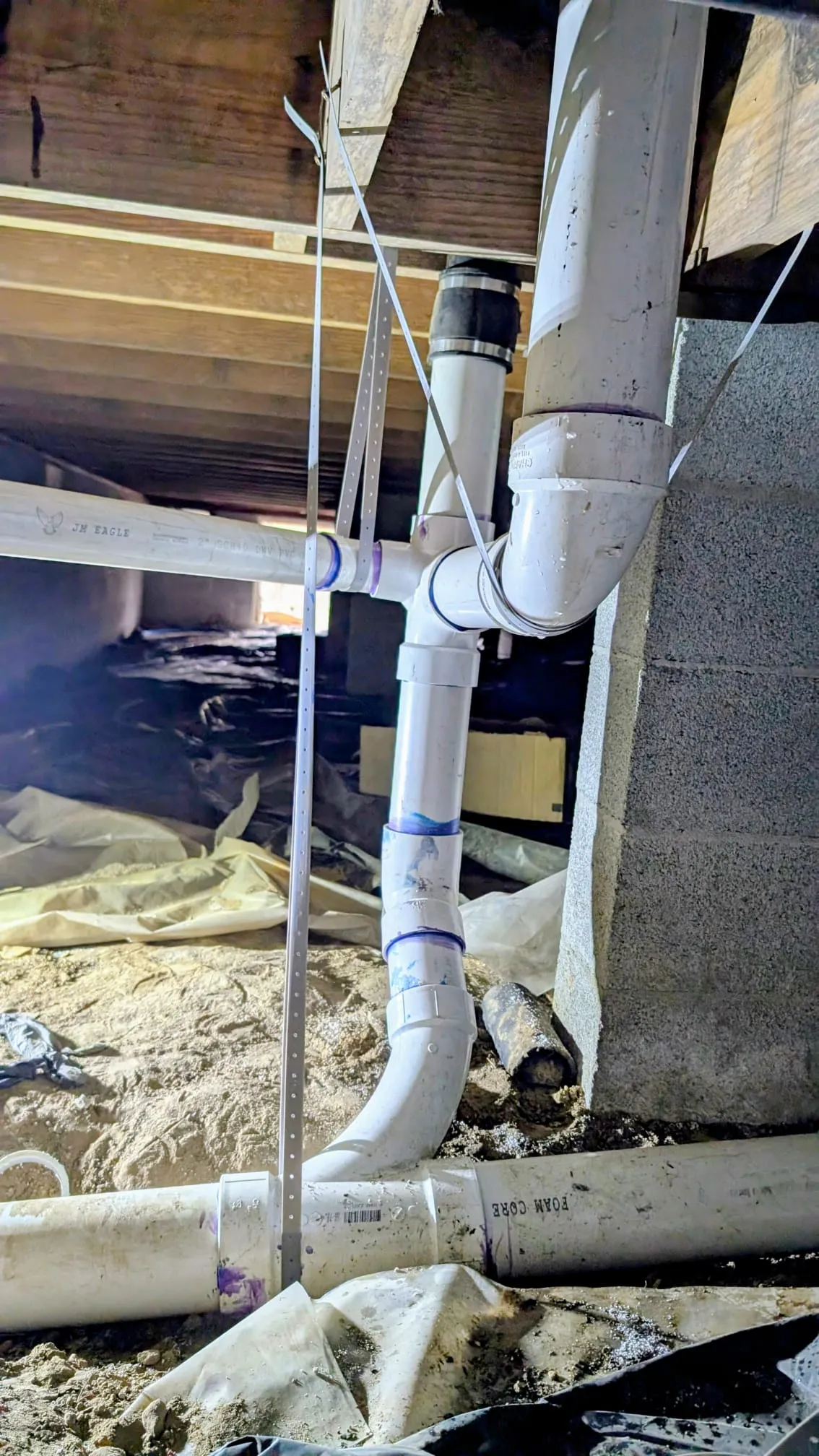
- Tree roots in older sewer lines. Roots follow moisture to small cracks and loose joints in sewer pipes, then grow inside. Once in, they catch grease and paper until the line clogs. That's worth checking in older, tree-lined neighborhoods like Hillcrest, where most homes were built by 1930 (source).
- Hard freezes. The Red Cross says pipe freezing is a bigger problem in warmer climates. That's because pipes often run through attics and crawlspaces with little insulation. A frozen pipe may already be broken and only start leaking once it thaws.
- Older pipe materials. Galvanized steel pipe was used in homes until the 1960s. Over time, it rusts from the inside, which lowers water pressure and can turn your water brown. Orangeburg sewer pipe is made of wood pulp and tar, and it can deform and collapse with age.
Signs Your Plumbing Is Going Bad
- Slow drains or gurgling toilets. These can be early signs of roots or a blockage in your sewer line.
- A higher water bill with no change in use. A jump in your bill can mean water is leaking somewhere you can't see.
- Brown or rusty water. This can come from old galvanized pipes rusting on the inside.
- Warm spots, cracks, or musty smells. A warm spot on the floor can mean a hot water line is leaking under your slab. Cracks in lower walls or baseboards, or a musty smell, can also point to a slab leak.
- Water heater noises or a wet base. Strange noises from the tank can mean sediment has built up. Water pooling at the base can mean the tank is leaking.
For toilets, add a few drops of food coloring to the tank. If color shows up in the bowl after 10 minutes, the flapper is leaking.
Minor vs. Major Plumbing Issues
| Minor: fix it soon | Major: act now |
|---|---|
| One slow drain | Sewage backing up into tubs or floor drains |
| Dripping faucet | Burst pipe or water spraying |
| Running toilet | Warm floors or a sudden spike in your water bill |
| Low pressure at one faucet | No hot water |
If you smell gas, don't call a plumber first. Leave your home on foot right away. From a safe spot, call Summit Utilities and 911, then warn your neighbors. Never try to fix a gas leak yourself.
Small problems don't always stay small. Roots left in a sewer line keep growing until the line is fully blocked. A slab leak does more damage, and costs more to fix, the longer it goes.
Think water is leaking where you can't see it, or seeing warm floors and new cracks? Learn about our slab leak repair in Little Rock.
How Long Plumbing Pipes Last (and When to Replace)
| Material | Typical lifespan | Used for |
|---|---|---|
| Copper water lines | 50 to 70 years | Water supply |
| PEX | 40 years | Water supply |
| Plastic water lines | 50 to 75 years | Water supply |
| ABS and PVC waste pipe | 50 to 80 years | Drains and sewer |
| Cast iron waste pipe | 50 to 60 years | Drains and sewer |
| Tank water heater | 6 to 12 years | Hot water |
| Tankless water heater | About 20 years | Hot water |
These are guidelines, not guarantees. They assume normal use and regular upkeep.
There's no set schedule for replacing plumbing. You replace it when it reaches the end of its life or starts failing. These signs point toward replacing instead of repairing:
- Leaks keep showing up in different spots
- Your water looks brown or rusty
- Water pressure is low throughout the house
- Your pipes or water heater are past their typical lifespan
The same goes for your water heater. A tank near the end of its range may be worth replacing before it leaks. If yours is acting up but still young, start with water heater repair.
What Plumbers Wish You Knew
- Skip the chemical drain cleaner. These products work by creating heat. If they don't clear the clog, they can sit in your pipe and damage it. Mixing them with ammonia can also create toxic chlorine gas.
- Only flush toilet paper. The Little Rock Water Reclamation Authority warns that "flushable" wipes don't break down in the sewer. Pour cooled cooking grease into a can and throw it in the trash. The authority gives out free Can the Grease kits to help.
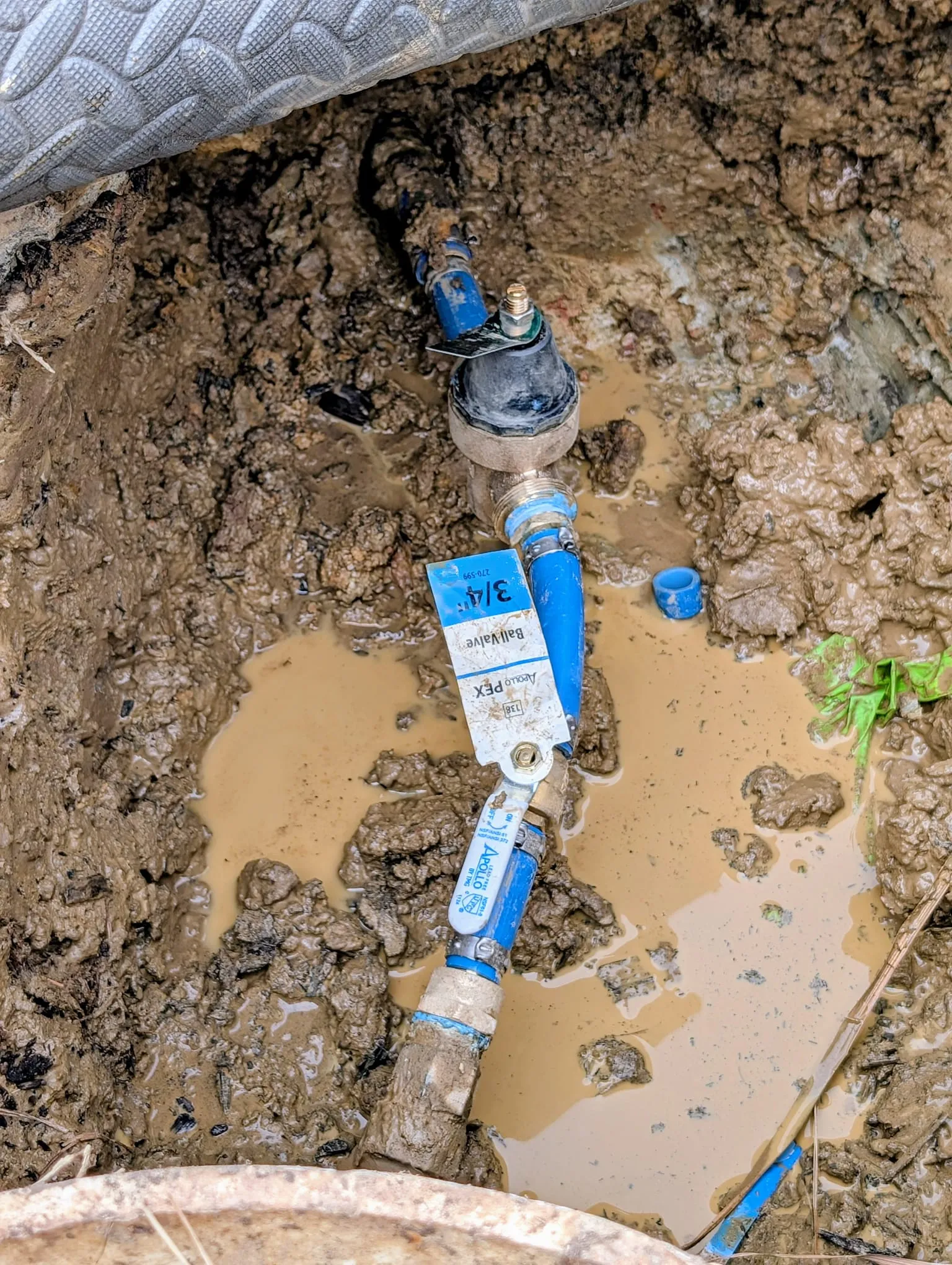
- Know where your main shutoff valve is. If a pipe bursts, shutting off the water fast limits the damage. Find the valve now, before you need it.
- Flush your tank water heater once a year. This clears out the sediment that wears your tank down. Hard water may mean flushing more often. Tankless units don't need flushing, but many need descaling.
- Fix small leaks early. The EPA says fixing easy household leaks can save you about 10% on your water bill.
When to Call a Plumber in Little Rock
- Clogged drain cleaning and sewer line repair
- Leak detection and slab leak repair
- Water heater repair and replacement, tank and tankless
- Toilet, faucet, and garbage disposal repair
- Gas line installation and repair
- What's happening and where in the house
- When it started
- What you've already tried, including any drain cleaner
- How old your water heater is, if it's involved
Getting another quote? Bring it to us first. We'll tell you straight whether we can beat it or whether their price is already fair. We offer financing on every job.
We're open weekdays, 8 to 5, with same-day visits available. If something breaks after hours, shut off your water at the main valve. Then call us first thing in the morning.
Need a licensed plumber in Little Rock? Call Diamond State Plumbing to schedule a visit. We're based at 506 Mimi Ln, Little Rock, AR 72211.
Common Questions
There's no set schedule, so you replace plumbing when it wears out or starts failing. InterNACHI puts copper water lines at 50 to 70 years and PEX at about 40. Rusty water, low pressure, or repeat leaks are signs it may be time.
A major plumbing issue is anything that causes damage fast or affects your whole home. That includes sewage backups, burst pipes, signs of a slab leak, and no hot water. If you smell gas, leave on foot and call Summit Utilities and 911 from a safe spot.
A tank water heater usually lasts 6 to 12 years, according to InterNACHI. ENERGY STAR puts tankless water heaters at about 20 years. Flushing your tank once a year helps it last.
The Little Rock Water Reclamation Authority puts the average cost to clean a drain at $160 to $450. Unclogging a sink or tub runs $110 to $215 on average.
No, "flushable" wipes don't break down in the sewer. The Little Rock Water Reclamation Authority warns they can clog pipes and make toilets and sinks overflow. Throw them in the trash instead.
Shut off your water at the main valve right away. That stops the flow and limits the damage. Then call us first thing in the morning. We're open weekdays, 8 to 5.
Get In Touch
Have any questions? Contact us today for expert services in Little Rock and neighboring communities. Let us handle your plumbing needs!