Signs a Pipe Has Burst in Your Home (and What to Do Next in Little Rock)
If you're asking what are the signs that a pipe has burst in your home, this guide is for you. As plumbers in Little Rock, we'll show you the clues, where to check, and what to do first.
Some burst pipes are easy to spot. Others hide inside a wall, under your floor, or beneath your slab. The sooner you find the leak, the less time water has to soak into your home.
We'll cover the most common signs and how to find a burst pipe under your house or slab. Then we'll show you the steps to take right away and how insurance usually handles it.
What Are the Signs That a Pipe Has Burst in My Home?
- Water where it shouldn't be: puddles, wet drywall, or a dripping ceiling
- A sudden jump in your water bill when your water use hasn't changed
- Low water pressure at more than one faucet
- The sound of running water when everything is turned off
- Stains, bubbling paint, or warped floors
- A musty smell or new mold
- Warm spots on the floor, which can mean a hot water line is leaking under your slab
Think a pipe has burst? Get help from our plumbers in Little Rock.
Signs of a Burst Pipe in Your Home
| Sign | What you'll notice | Where to check |
|---|---|---|
| Water where it shouldn't be | Puddles, wet drywall, or a dripping ceiling | Under sinks, around the water heater, ceilings below bathrooms |
| Higher water bill | Your bill jumps, but your water use hasn't changed | Your last few monthly bills |
| Low water pressure | Weak flow at more than one faucet | Faucets and showers around the house |
| Running water sounds | Hissing or rushing with everything turned off | Walls, floors, and near the water heater |
| Stains or damage | Bubbling paint, brown spots, or warped floors | Walls, ceilings, and baseboards |
| Musty smell or mold | A damp odor or new dark spots | Closets, cabinets, and the crawl space |
| Warm spots on the floor | A patch of floor that feels warm to the touch | Tile or concrete floors near hot water lines |
Burst Pipe or Slow Leak?
A burst pipe usually lets out a lot of water fast. A slow leak drips for weeks or months before you notice. Both need repair, but a burst pipe means you should act right away.
Try the Water Meter Test
Not sure if water is escaping somewhere? The EPA's WaterSense program suggests a simple meter check:
- Turn off every faucet and appliance that uses water.
- Write down the number on your water meter.
- Wait 2 hours without using any water.
- Check the meter again.
How to Tell If a Pipe Burst Under Your House or Slab
- Standing water or mud under the house
- Wet or sagging insulation
- Floors that feel soft or dip in one spot
- A musty smell coming up through the floor vents
- Warm spots on the floor
- New cracks in tile or flooring
- Damp carpet with no spill to explain it
- Water pooling along the edge of your foundation
Why Guessing Costs More
Breaking up a floor to hunt for a leak is slow and expensive. If you guess wrong, you pay to fix the floor and still have the leak. Leak detection finds the spot first, so the repair starts in the right place.
If you see signs of a leak under your floor, start with our slab leak repair in Little Rock.
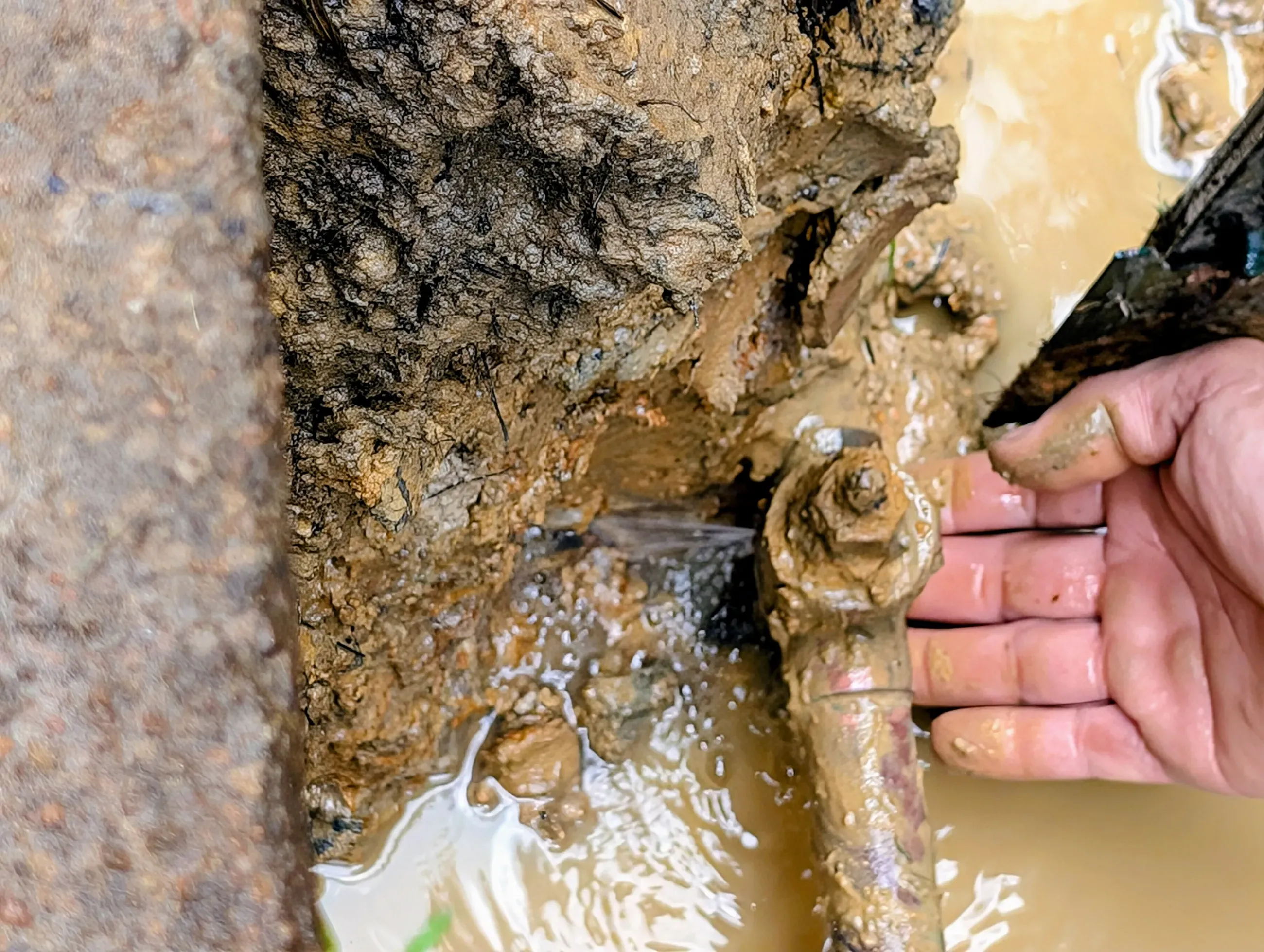
What to Do If a Pipe Bursts in Your House
- Shut off your main water valve. In most homes, it's in the garage, near the water heater, or in the meter box by the street. Close it all the way to stop the flow.
- Stay safe around electricity. If water is near outlets or cords, turn off power to that area at the breaker box. Don't walk through standing water to reach it.
- Shut off your water heater. Turn off its power or gas supply. If hot water lines are leaking, the tank can drain, and this keeps it from heating while empty.
- Open a few faucets. Let the water left in the pipes drain out. This takes pressure off the lines and slows the leak.
- Take photos and video. Record the damage before you clean anything. Your insurance company will likely ask for them.
- Move your things and start drying. Pull valuables away from the water. Use towels, a mop, or a wet vac to clear what you can.
- Call a licensed plumber. A plumber can find the break and fix the pipe.
Need the break fixed? See our burst pipe repair in Little Rock.
Why Pipes Burst in Little Rock (and How Common It Is)
- Pipes in crawl spaces, attics, and garages
- Pipes under kitchen and bathroom cabinets
- Pipes along exterior walls with little insulation
- Outdoor hose bibs
How Common Is It?
Water damage and freezing are among the most common home insurance claims. About 1 in 60 insured homes files one each year, based on Insurance Information Institute data from 2018 to 2020. From 2019 to 2023, the average claim was $15,400.
Worried about frozen lines this winter? See our frozen pipe repair.
Will Insurance Cover a Burst Water Pipe?
| Situation | Usually covered? |
|---|---|
| A pipe bursts suddenly and soaks your floors | Yes |
| A plumbing or appliance leak happens by accident | Yes |
| A slow leak or lack of upkeep causes damage over time | No |
| A pipe freezes because the home was left without enough heat | No |
| Water seeps in through the foundation | No |
| Flooding | No, flood insurance is a separate policy |
| A sewer or drain backup | Only if you added water backup coverage |
| Repairing or replacing the pipe itself | No |
What to Document for Your Claim
- Photos and video of the damage before you clean up
- A short note on what happened and when you found it
- Your plumber's report or invoice showing what broke and why
Questions About Your Policy
Every policy is different, so read yours or call your agent first. If you have questions or a problem with a claim, the Arkansas Insurance Department's Consumer Services Division can help. You can reach them at 501-371-2640 or 1-800-852-5494.
When to Call Plumbers in Little Rock
- Water is spreading and you can't stop it
- You can't find where the water is coming from
- Your water meter keeps moving with everything turned off
- You see signs of a leak under your slab
A licensed plumber finds the exact spot where the pipe broke. Then we repair or replace the damaged section. We look for the root of the problem, not just the leak you can see.
Why Little Rock Homeowners Call Diamond State Plumbing
Diamond State Plumbing is family-run. Angel Bahena is a master plumber, and he works alongside his brothers David and Eloy. All three are licensed, background-checked plumbers with 25 years of experience between them.
We tell you what we're doing as we go, so you're never guessing about your own house. Getting another quote? Bring it to us first, and we'll tell you straight if their price is fair. We also offer financing on every job.
Found a burst pipe, or think you might have one? Call our plumbers in Little Rock.
Common Questions
Keep the faucet open and gently warm the frozen section of pipe. Use a heating pad, hair dryer, or space heater kept away from anything that can burn. Never use a blowtorch or open flame. If you can't find or thaw the frozen spot, call a licensed plumber.
Let cold water drip from faucets on exposed pipes when it's very cold outside. Open kitchen and bathroom cabinet doors so warm air reaches the pipes. Keep your thermostat at the same temperature day and night. If you leave town, set the heat no lower than 55°F.
You can slow the damage yourself, but the repair is a job for a licensed plumber. Shutting off the main valve and draining the lines buys you time. A plumber finds the break, replaces the damaged section, and gets to the root of the problem.
Yes, we offer financing on every job. That includes burst pipe repair, slab leak repair, and repiping.
Yes, bring your quote to us first. We'll tell you straight whether we can beat it or whether their price is already fair.
Get In Touch
Have any questions? Contact us today for expert services in Little Rock and neighboring communities. Let us handle your plumbing needs!